
You’d have to be living under a rock for the past week not to notice we’ve just had Halloween (or “Hallow-week” as it’s now become).
Long before plastic pumpkins and being harassed by random children for sweets were the norm, the Celts were celebrating Samhain – the point in the Celtic Calendar marking the transition to the darkest phase of the year.
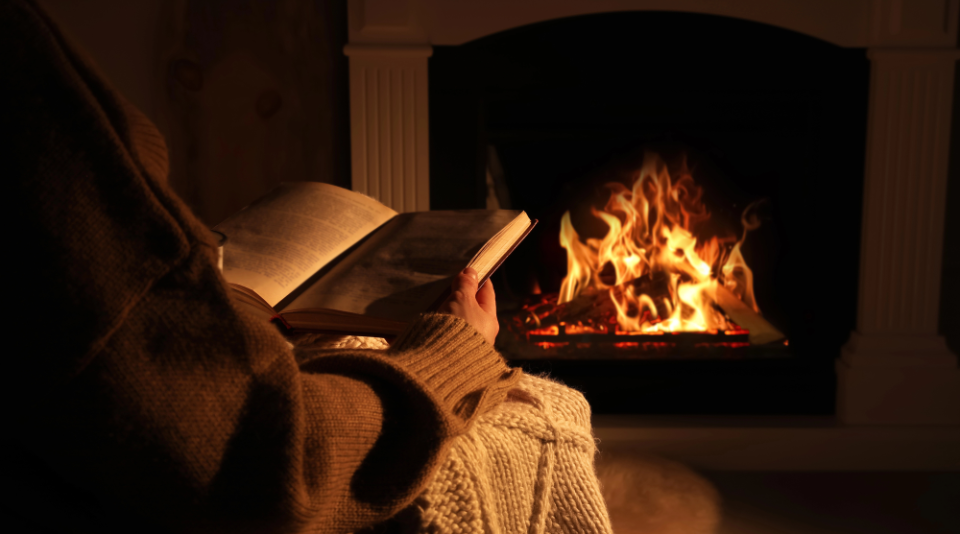
After the spectacular summer and autumn we’ve had in the UK, I’ve been dreading the colder, darker months of the year. Yet now that they’ve arrived, I notice I’m embracing late autumn pleasures: lighting the fire, reading novels, cooking soups and stews, going to the sauna on the beach. Ok, I know it’s only 5th November, but it’s a better start to the winter than I’d expected.
The dominant myth of our culture in the Hero’s Journey – popularised by mythologist Joseph Campbell and encoded in Lord of The Rings; the lone hero who gathers allies and overcomes obstacles to conquer the enemy and return home in triumph. It’s a masculine archetype that celebrates perpetual summer and growth and shuns contraction and decay.
The Heroine’s Journey (popularised by Maureen Murdock) is the Hero’s reclusive sister. She follows a different trajectory, often starting with an apparent setback known as The Descent – bereavement, illness, divorce, redundancy – a curve ball that was Not In The Plan. The heroine might initially rail against this disaster, but when faced and accepted, the riches that come from this experience create an unparalleled depth of wisdom.
In Sixth Form I set my heart on Bristol Uni and was gutted when they turned me down. I went to Manchester Uni instead and it was perfect for me: gritty, northern, down to earth, brilliant music and theatre scene, politically stimulating and lifelong friendships.
The Celts saw Samhain as the start of the new year, turning our heroic model on its head by recognising transformation requires us to go down and within before we go up and out (spring/summer).
When we embrace the reality of descents as part of life they have less hold over us. Whether it’s just a dislike of the darker months of the year, or a nagging fear of losing health, status, security, loved ones – the more we can accept these as part of the ebb and flow of life, the more we can lead ourselves and others with wisdom and grace.
So, this Samhain-time, ask yourself:
- What have been your “descents”?
- What have you learnt from your setbacks?
- What do you dread that might in fact have a silver lining?